
Michah 6:8; Matthew 18: 23-34
A friend of mine said the other day, “I wish we [as a society] were as obsessed with mercy and humility as we are with justice.” And by that, he does not mean a sense of righteous justice. He means watching the latest murder trial. Lately, our society has been obsessed with watching the Lindsey Clancy trial. And I’m sure we’re all tired from hearing about it. Yet this is not the first courtroom drama many have tuned in to watch. It seems to be trial after trial, over and over again. I have learned that the two best experts in the world are the person sitting in the stands at a football game and the person sitting at home without a law degree critiquing a trial.
I was asked about the case at dinner one night. I offered my opinion on what little I had seen. Suddenly, someone with no legal training whatsoever, pointedly disagreed and said I was wrong. Politely I googled it to show what I said about the law was correct, and she proceeded to tell me that I “fixed” the google search to make it up. So, I was still wrong. And in that moment, I thank the good Lord for keeping my mouth shut and reminding me about mercy and humility.
Biblically, we are called to live in this world with justice, mercy, and humility. Micah 6:8 tells us directly that the Lord has shown us and told us what is good, right, and expected of us in this world: to do justice, to love mercy, and to walk humbly with God. What often undercuts our ability to do this is the general and overarching sense of entitlement we see in society. A simple definition of entitlement as a personality issue is this: “An unearned, rigid belief that you are inherently owed special rewards, preferential treatment, or immediate gratification without putting in the effort.”
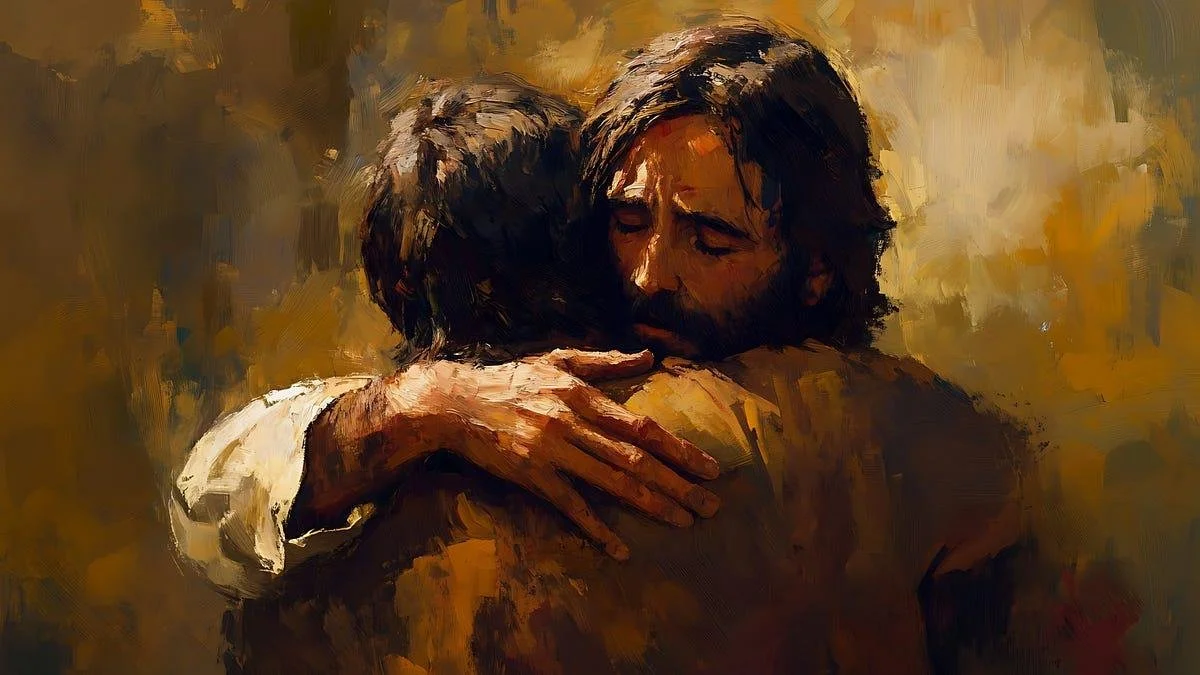
We see all three of these…justice, mercy, and humility…at work in the parable of the unforgiving servant. Justice would have been the man who owed millions being imprisoned for the debt. That was right and proper in that society. Mercy what when the debt of millions was forgiven in addition to this man going free. Humility would have been recognizing the grace he received and, in turn, showing it to those who owed him. Yet right in the middle of all this, the unforgiving man was filled with entitlement instead of mercy and humility.
This problem runs throughout our society. We want justice for ourselves. Those who wrong us need to be punished. Revenge is celebrated, and cruelty reigns over any sense of gentleness within the world of justice. I’ve often said if someone gets shot, they find Jesus and forgive the shooter, but if you steal their tv, they ask for the death penalty. Yet even as we want justice for ourselves, we don’t want to take accountability for ourselves. Give me justice, but don’t subject me to justice. It’s very natural for us. We like justice, but we aren’t so fond of accountability.
God is a God of justice. To those who are unloving, unkind, unforgiving, unfaithful, and un-Christlike, God will bring accountability. The decisions we make have natural consequences in this world. I remember years ago a friend told a story of a man who couldn’t figure out why no one at church spoke to him or was friendly. Finally, the person who had sat next to him in the pew for 20 years said, “It’s because you’re mean to folks.” The startled man replied, “But this is church, you have to love me in the name of Jesus.” The pewmate said, “We do, but that doesn’t mean we have like you or put up with your meanness.” We love justice. We struggle with accountability.
Thankfully, though God loves justice, through Jesus, God deals with us in mercy. The unforgiving man owed a debt he could not pay. There was no way he could come up with the million dollars. Yet the king went far beyond just giving the man more time. He went beyond setting up a payment plan or working in small ways to get partial payments. The king forgave the debt in full, not because it was earned, but out of the goodness and kindness within his heart. To those who are given mercy, showing mercy is expected.
The man who was forgiven and shown mercy, became himself, cruel and unmerciful. Not only did he fail to forgive the debt owed to him, he grabbed his debtor by the throat and then punished him severely. He was fake, cruel, and hypocritical. It was not his lack of mercy that was so bad, but his apparent manipulation of the king. The unforgiving man is portrayed as a sociopath—playing the king for a fool and dealing cruelly with those he does business with.
Friends, the story is a metaphor. God is the king who has forgiven debts we could never pay, has shown mercy instead of the harshness of true justice, and has freed us from the burdens that saddle our lives and souls with debts. Too often, however, humans live as the unforgiving servant. We are ruthless, cruel, demanding, unforgiving, greedy, and manipulative. Mercy is the way God deals with us, and mercy is the way we are expected to deal with each other. Accountability and mercy are not mutually exclusive. A person can find both in their life. Accountability means we are sorry for where we live in unkind ways. Mercy means we are forgiven the worst of the consequences for those behaviors.
That brings us to walking humbly. I don’t really know why God is merciful. I don’t really understand how justice and mercy often work together. Too often it seems like there is neither justice nor mercy, and absolutely no one walking humbly. In those times it is okay to admit we don’t understand, or that we don’t like something. There are times in life we don’t get justice, or we struggle to find mercy or to be merciful. We don’t understand. It hurst and frustrates us, and that is okay. Walking humbly means we aren’t always enthusiastic about how God works in our lives, but we keep walking because we humbly trust that God knows the right way forward.
A friend wrote a poem on walking humbly with God several years ago. I want to share parts of it with you. “Drop the heavy cloak of self, / Leave behind the lure of wealth, / Bend the knee and quiet speech, / Let His mercy gently reach. / Step by step upon the road, / Sharing in another's load, / Doing justice, loving kind, / Leaving selfish thoughts behind.”
It is often hard to walk humbly. We are trained to be proud and sufficient. We have a natural inclination to care for self. Yet walking humbly is a daily practice wherein we rely on God to be with us. It is in that humble walk that can allow ourselves to learn from the accountability of justice and show the mercy that is a free gift but so hard to share.
The unforgiving man couldn’t show mercy and wanted to avoid all sense of justice because he lacked in humility. Living humbly doesn’t mean we are miserable, put upon, or allow ourselves to be manipulated and abused. Instead, it means sacrificing the sense of entitlement we often have in life. It involves turning the belief that we are owed into the understanding that we are called. The unforgiving man felt that he was owed—the King owed him mercy, and his debtor owed him justice. But nowhere in there did he feel called to be accountable before the king or called to be humble and merciful to his debtor. He was simply entitled in life.
Our society has an obsession with court drama and trials. We can see it in how many people post about cases, watch the trials, and commented, especially on this recent Clancy trial. We know and understand justice and what we think it is supposed to look like. We comment with the authority of an experienced lawyer simply from watching on our computers and phones. But in our obsession with justice and the justice system, we forget the remainder of our calling in Micah 6:8.
It is not just doing justice. That goes hand in hand with loving and showing mercy and walking humbly every day with God. My friends, we are called to act with justice in this world. But in our actions, may we also remember our call to love mercy and to walk humbly. May we hear and respond as God calls us to all three.
Worship Service Video https://www.facebook.com/share/v/19zHZ8hd7Z/